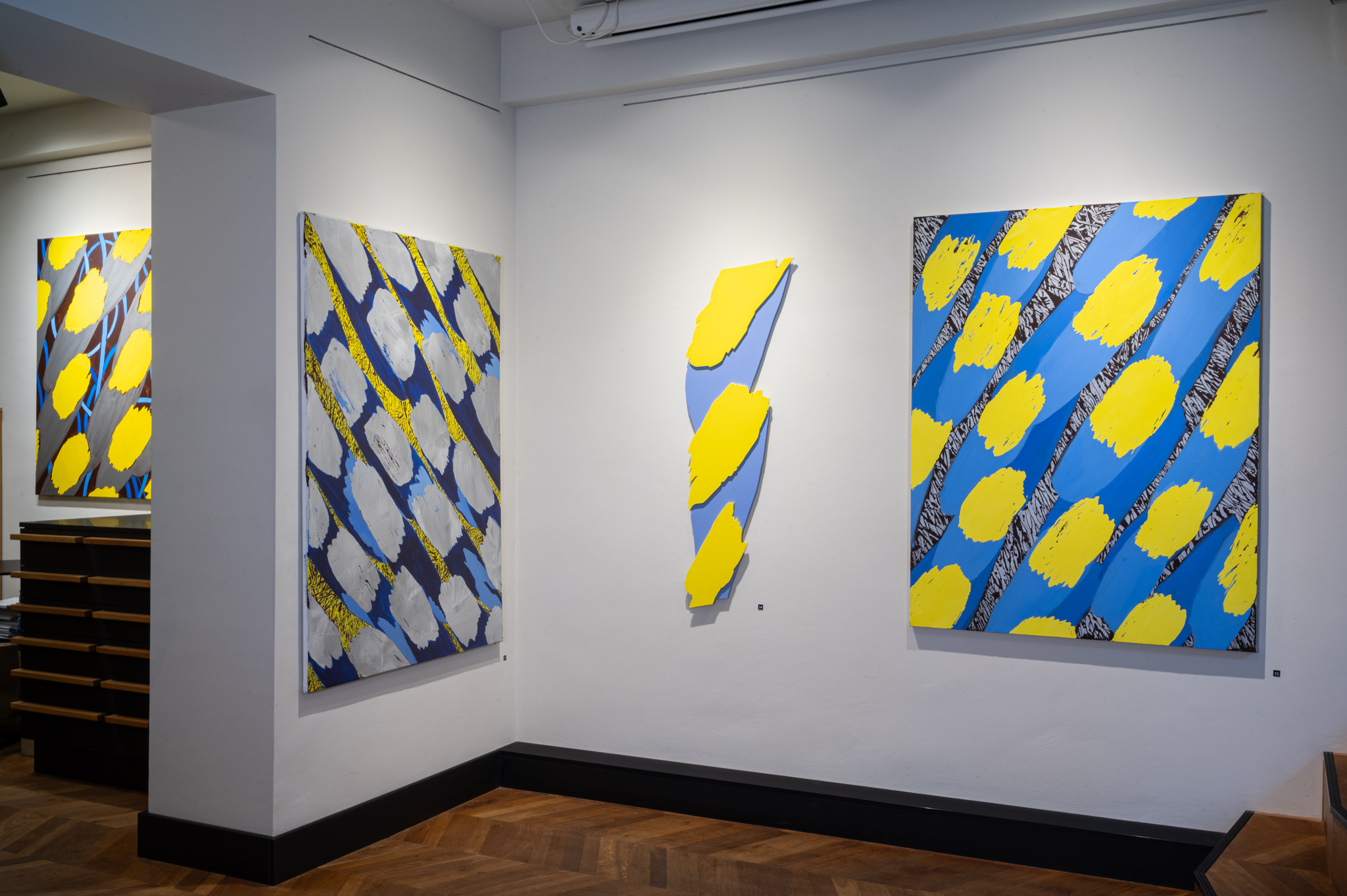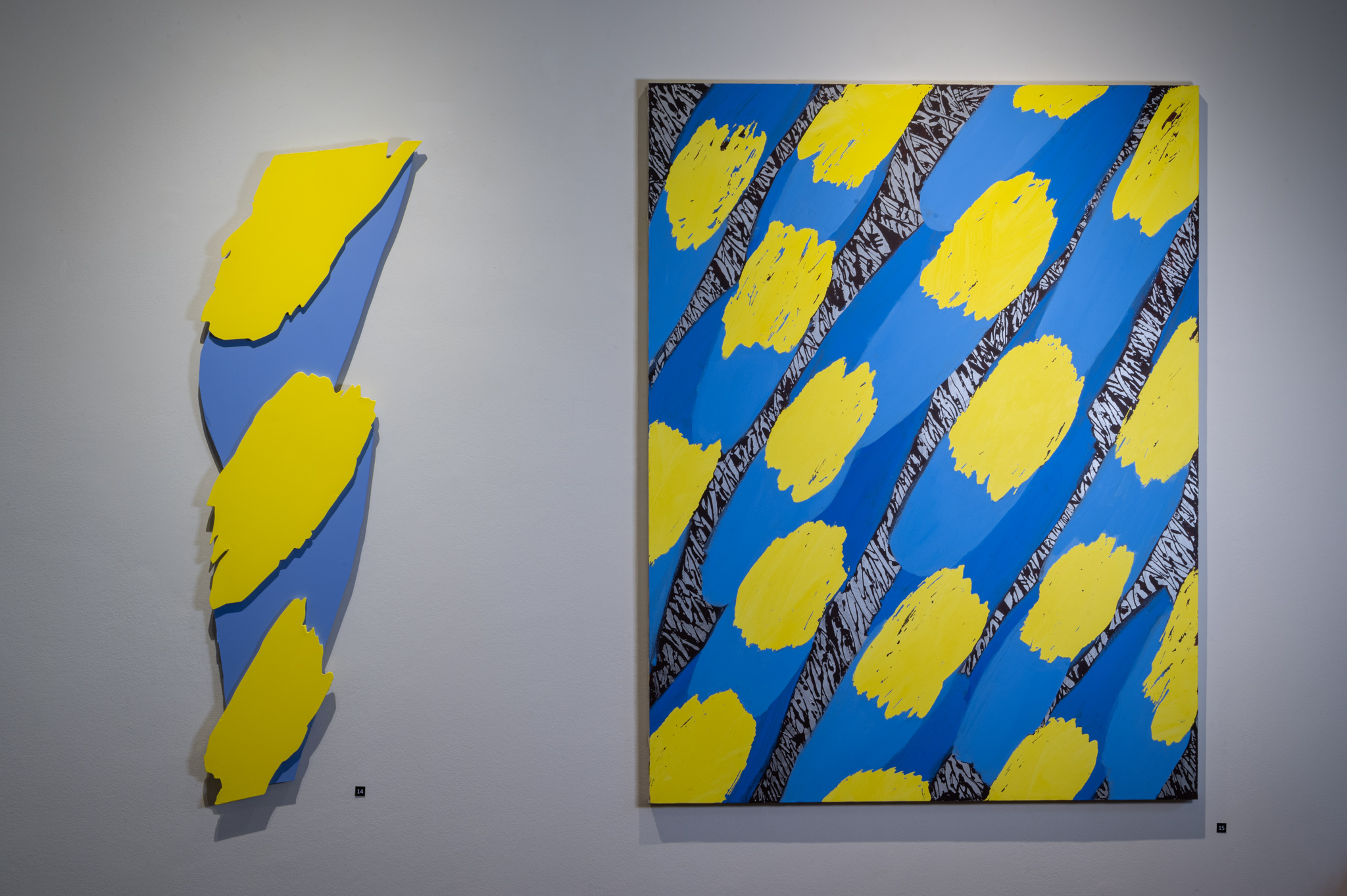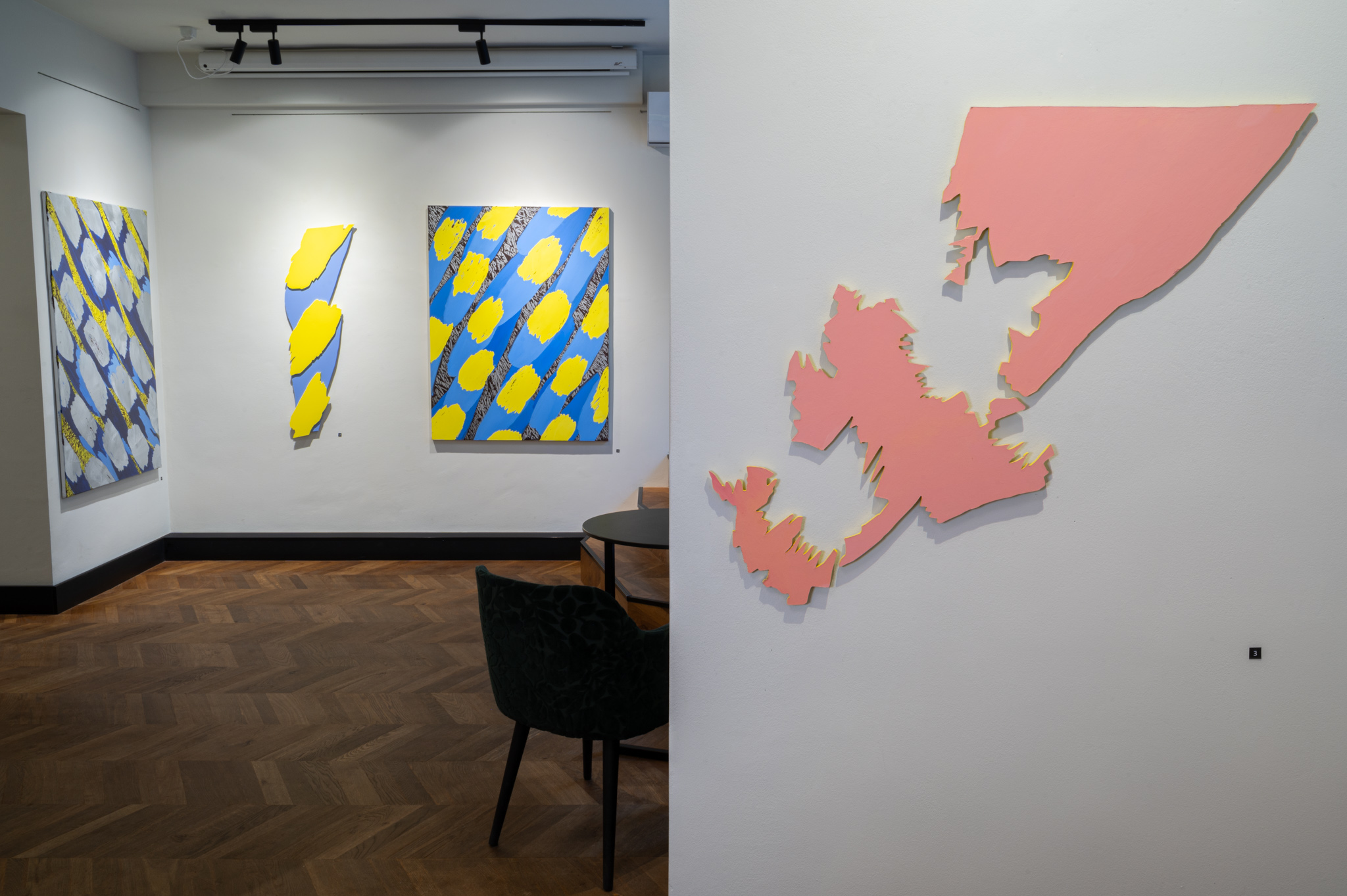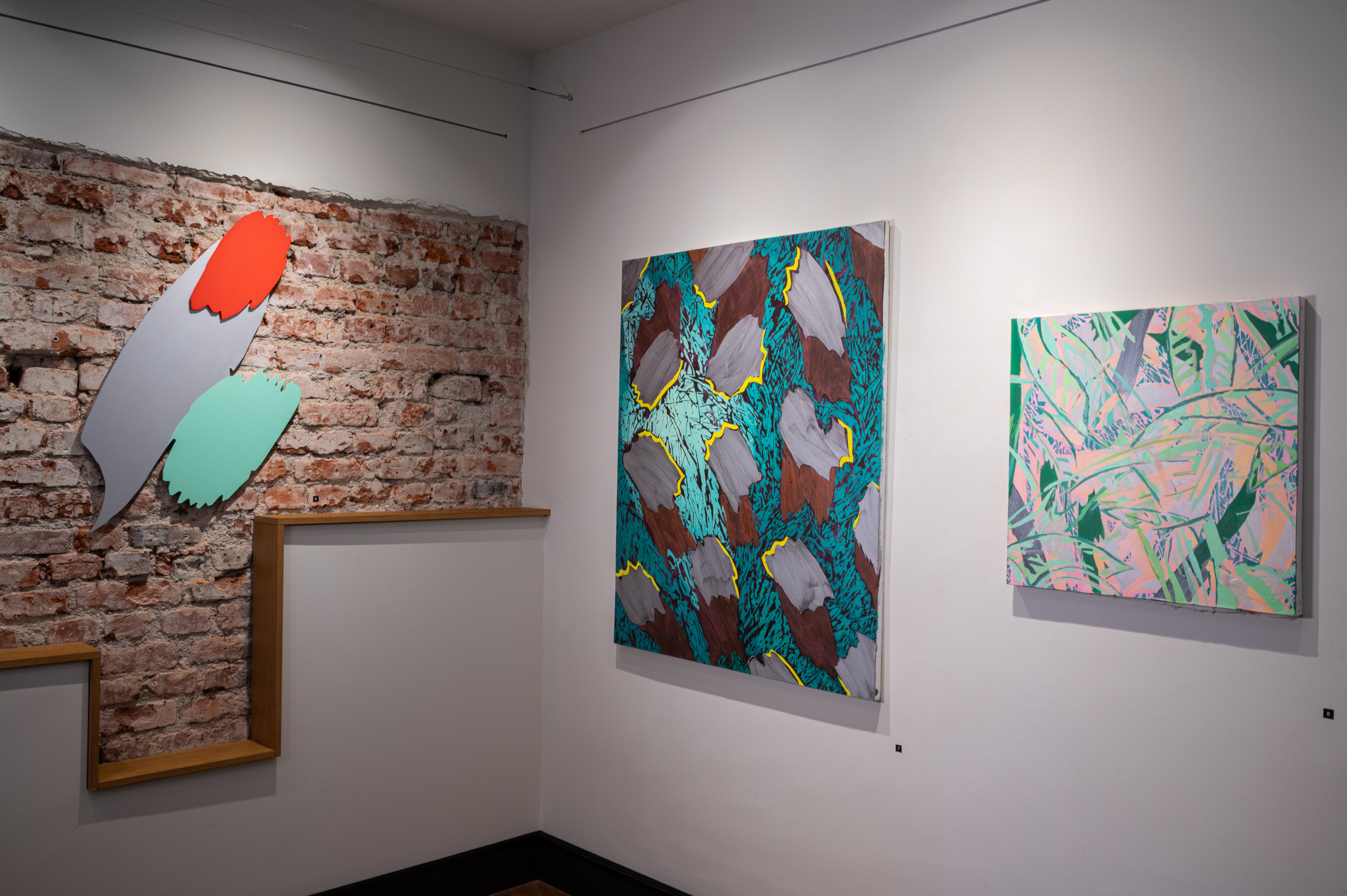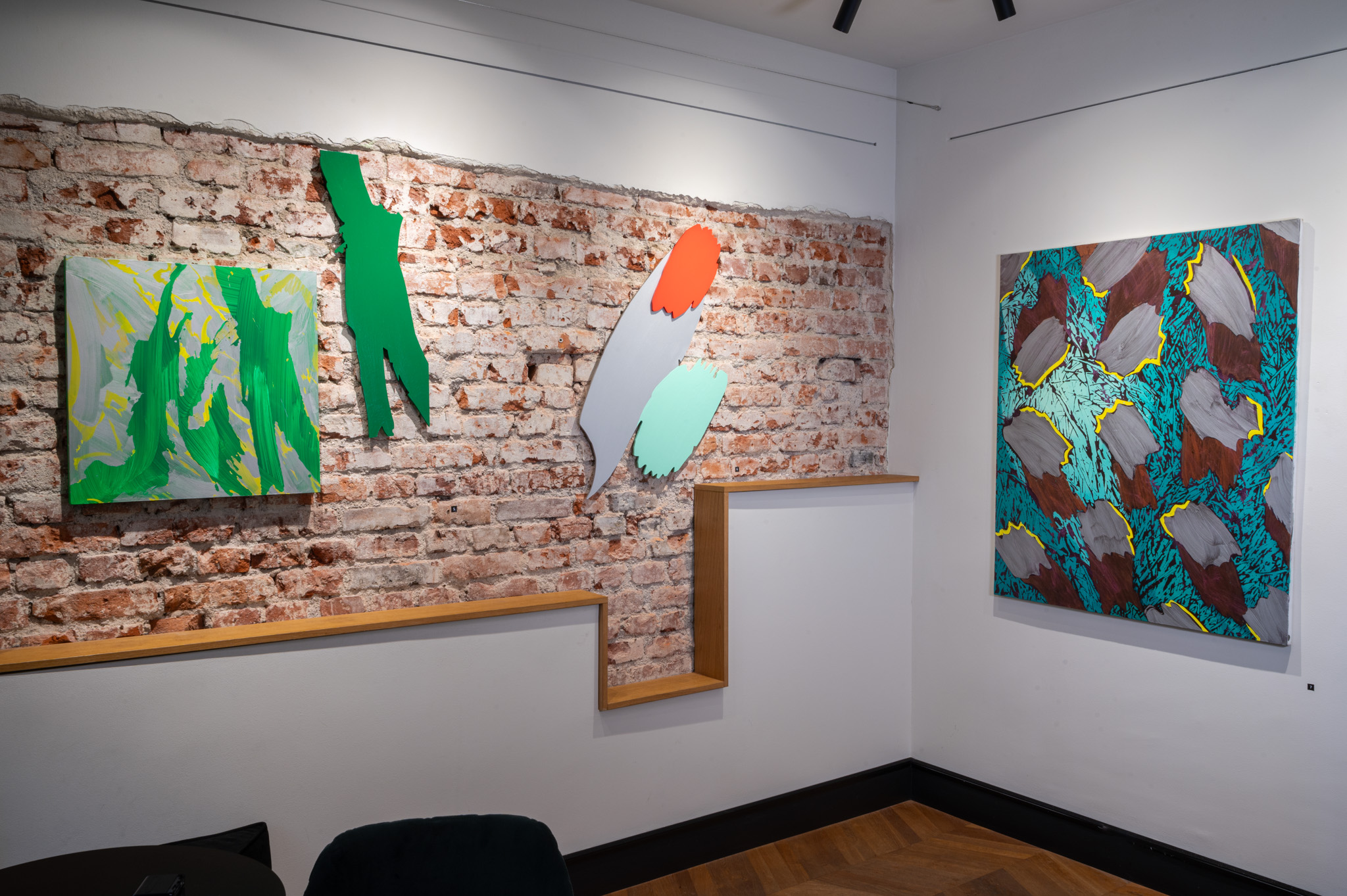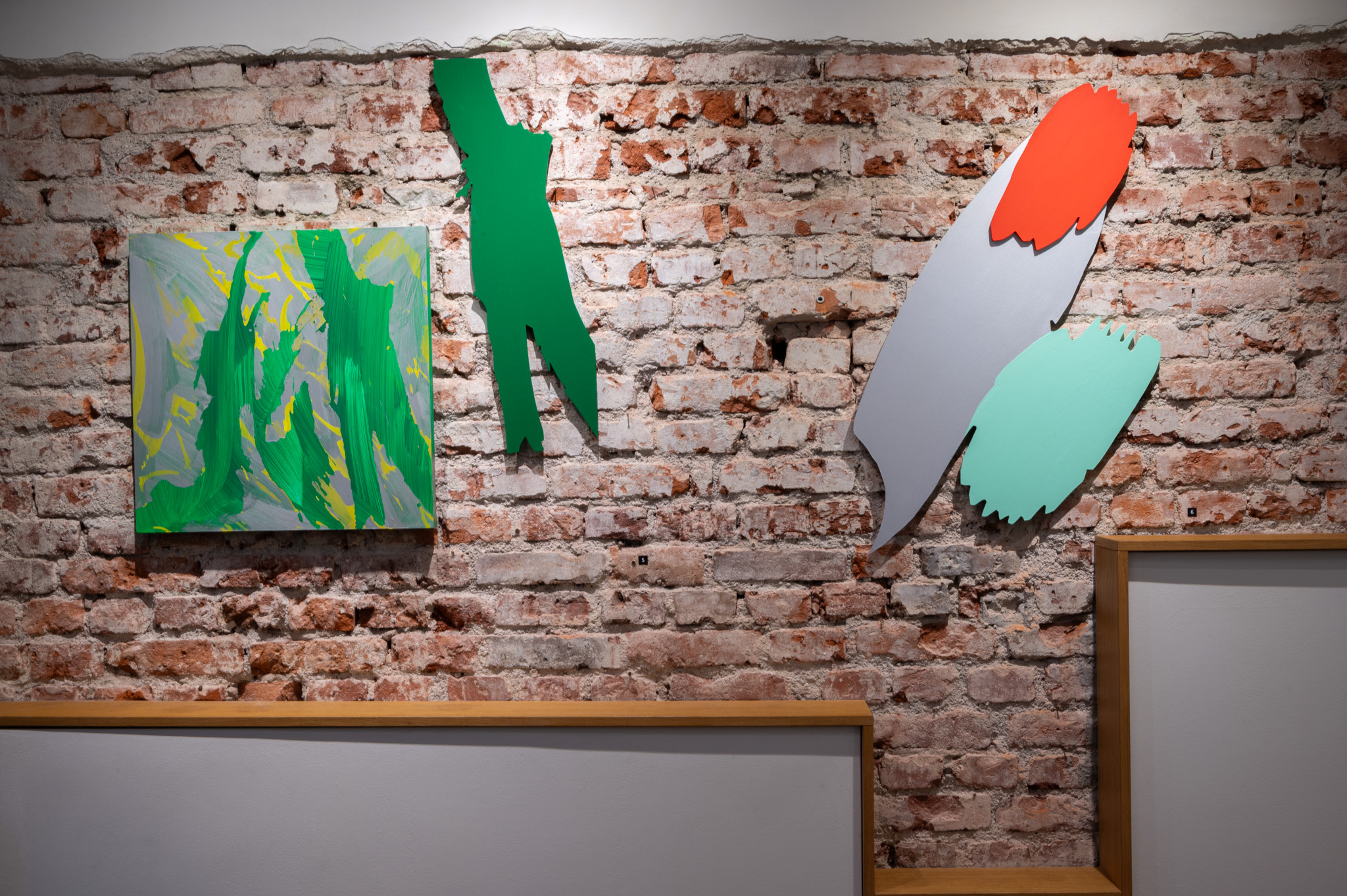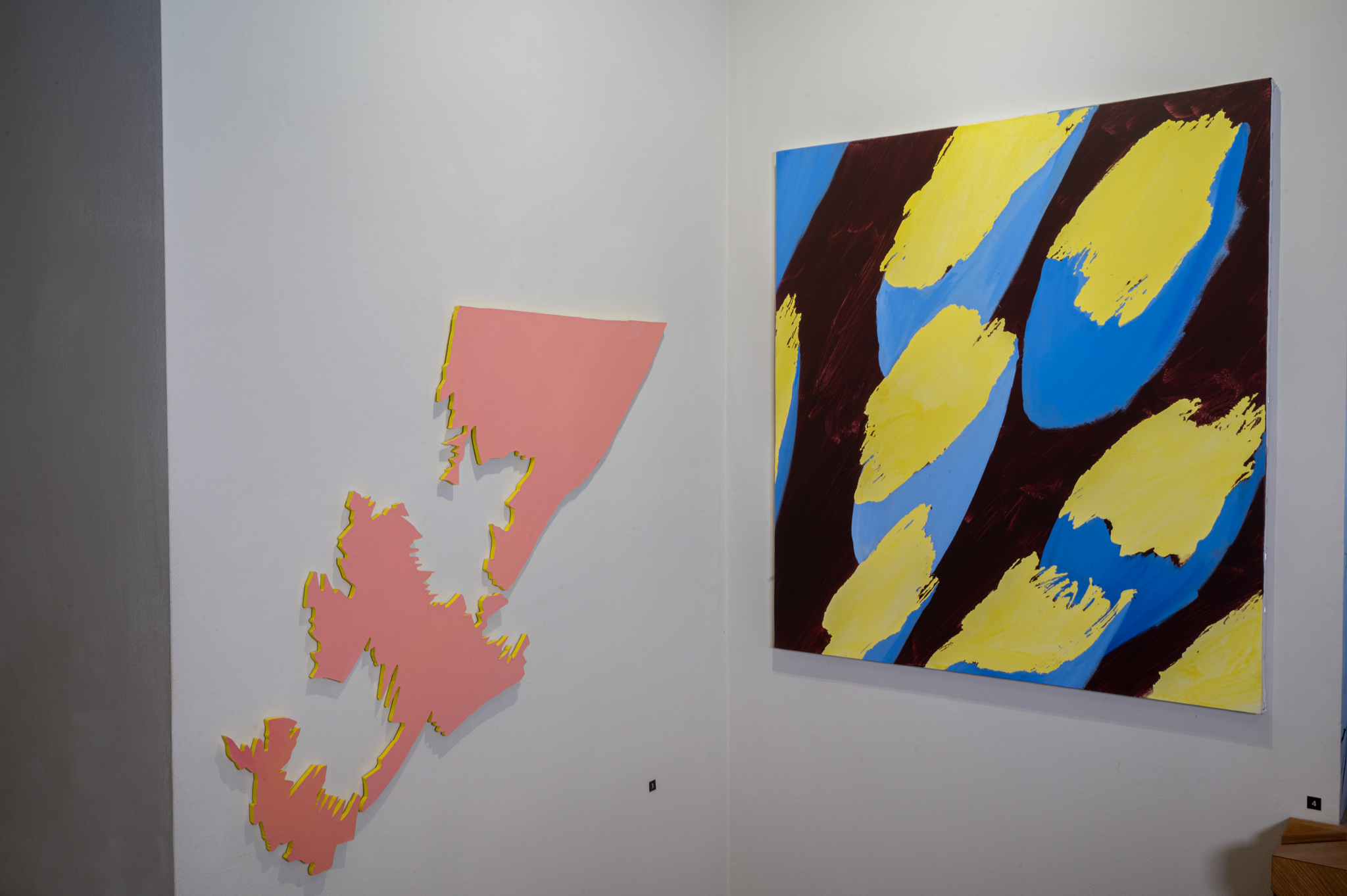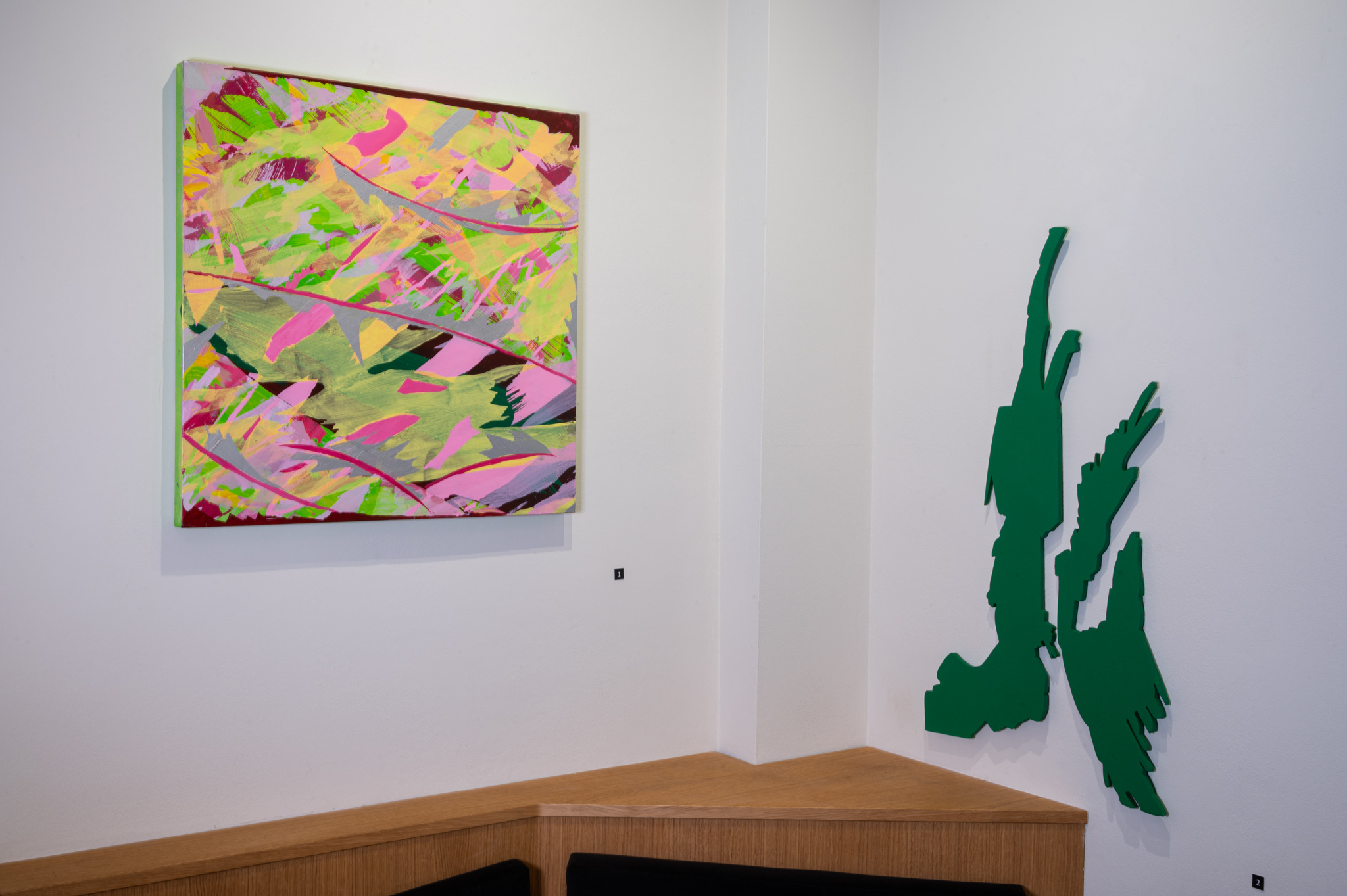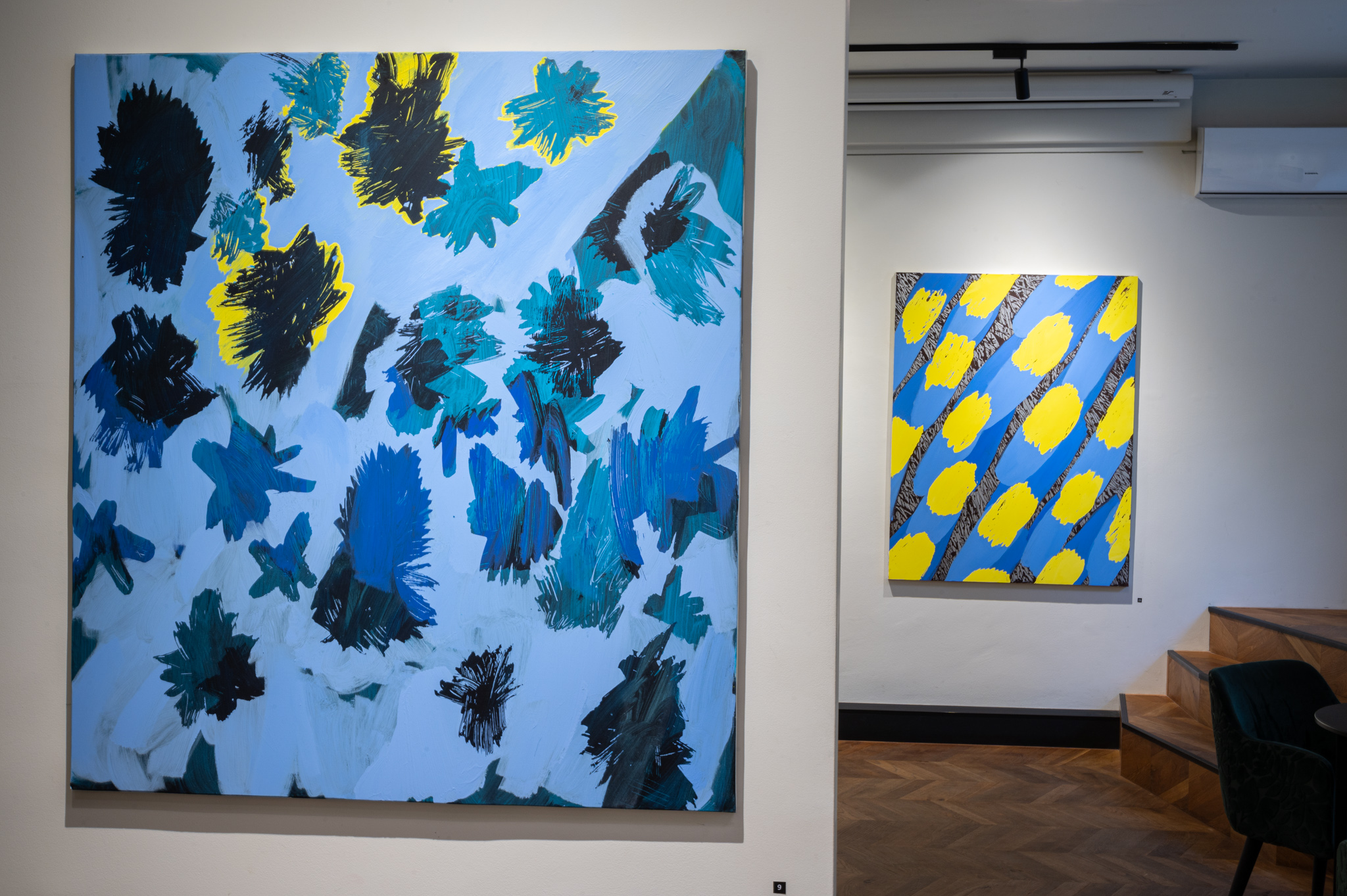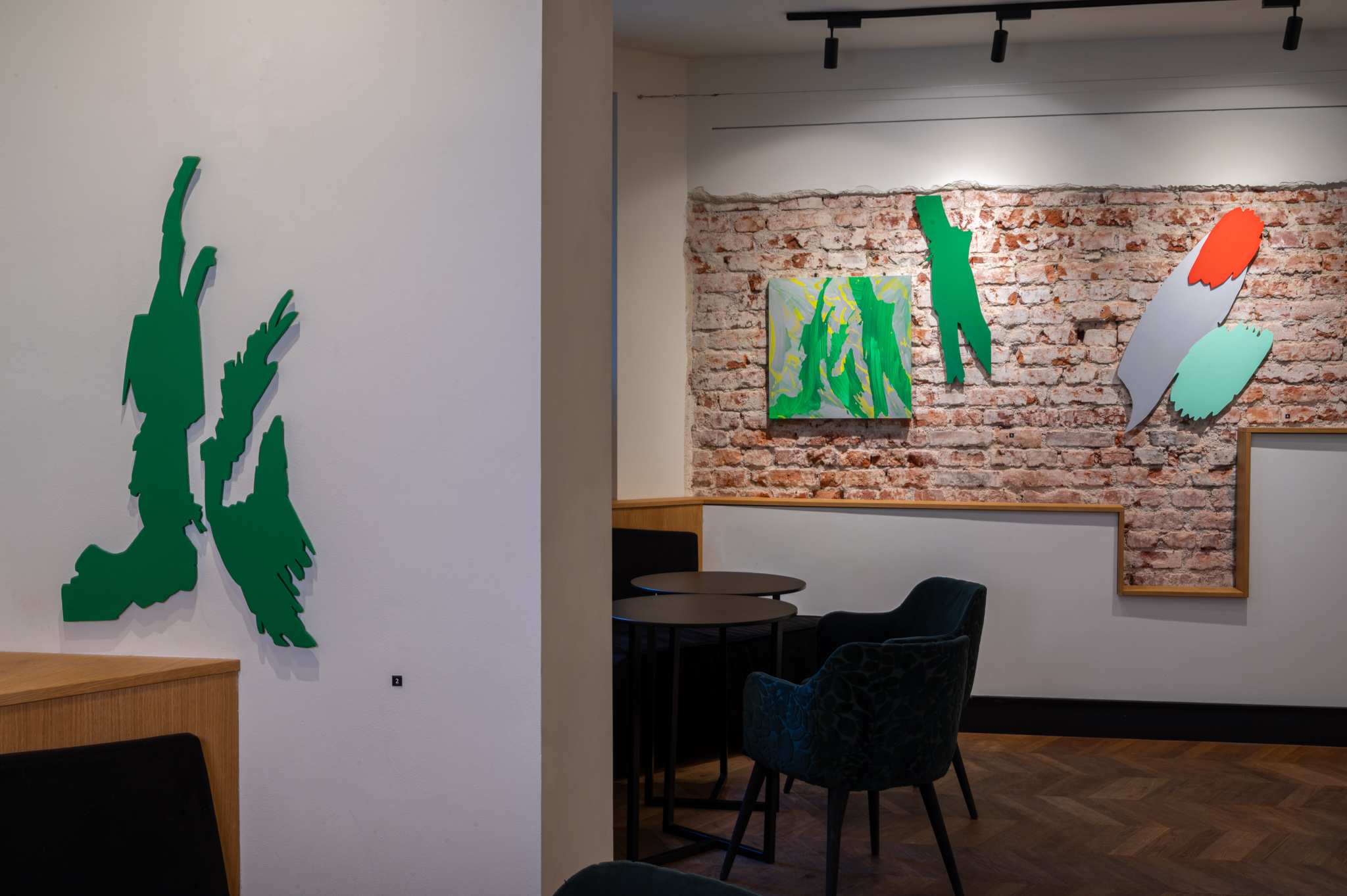
“Not Very Ordered” is a project that uses as its starting point the familiar logical structures of existence – for example, the notions of order, of time, of rules. The project partially revises the notion of the strict construction of order and highlights as central the relations order-disorder, fantasy-functionality, dependence-independence.
The project elements embark on a journey through different structures, which, however, often contain within themselves the possibility of a way out of the order they impose. Depicting this possibility becomes the aim of Gergana Tabakova’s work. It transfers into the space between strict planning and chance. This space is accessed by revisiting visual motifs that are dynamic but also linked to repetition, organized by a certain rhythm. The emphasis is on the disordered order, which is however accessed not through resistance, but rather with ease and the stimulation of fantasy. The movement inward within the motif’s structures is reminiscent of play, a tease, but it carries a sustained vision that is present.
In her work, the artist uses the interaction between textile motifs, architectural patterns and the logic that connects them. Gergana Tabakova cites and updates key approaches related to the construction of structured visual repetitions that are often decorative in nature – for example, pattern compositions, wallpapers, architectural and pictorial friezes. The artist uses shapes derived from architectural decorations; repeated patches that she combines with vegetal lines – grasses, flowers, thus bringing out the culture-nature interaction as relevant to the exhibition.
The frieze compositions contain the idea of repetition, cyclicality, infinity, order. The decorative strips are reflected in Gergana’s compositions with their relation to continuity and narrative. Whether object-based or reimagined in abstract forms, the friezes remind us that patterns persist through time, linking past, present and future. The rhythm from the pattern composition carried onto the canvases puts the viewer in a state of anticipation for such timeless development. However, it is not realised in practice, but in the sense of contradiction between fragment and whole. Thus, in her work, Gergana Tabakova proposes processes or elements in motion that seem to be in search of their final forms, blossoming, growth.
Architecture, with its lines, concreteness and spatial development, becomes a structural and visual source for the project. Gergana’s work was influenced by a quick walk in the Citta Alta (Upper Town) in Bergamo, where she initially stripped herself of further information about the architectural objects and perceived them as a collection of elements functioning in general systems. Central to the author’s impression is the Basilica of Santa Maria Maggiore. Its entrances and façades have numerous decorative architectural elements that are systematically but not symmetrically placed. The plan of the cathedral also contributes to the general sense of disordered organization – for example, there is no central entrance; the accesses to the interior spaces are four, all lateral. In Gergana’s view, rather than distorting, the lack of symmetry reinforces the building’s strange wholeness, in which the elements simultaneously sound together but also manage to have their own independent presence. In the objects that accompany the paintings in the exhibition, repetitiveness disappears and each part of the overall, rhythmic painting compositions takes on a life of its own, almost liberated by its functioning within a system.